
Computer: An Essential Part of Modern Life
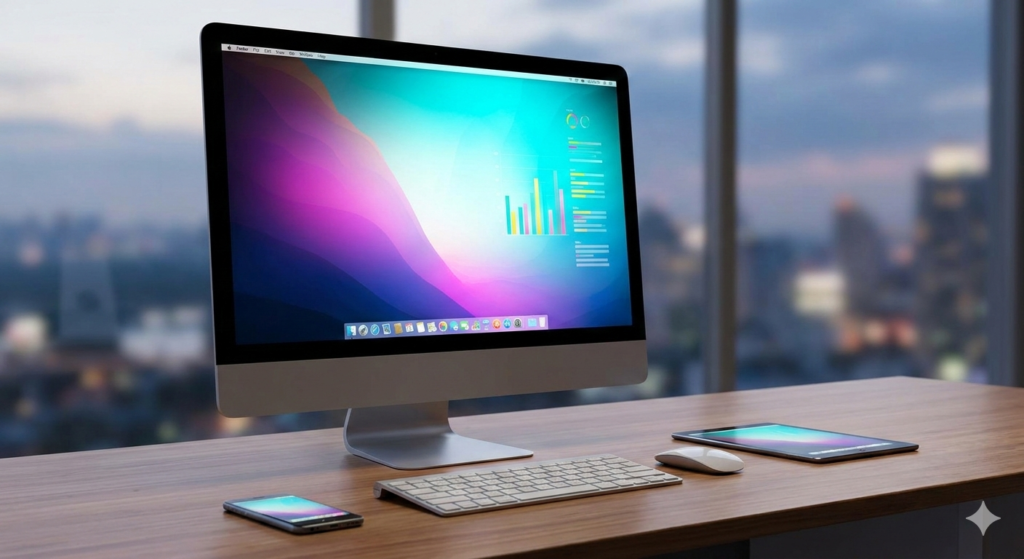
In today’s world, it is very difficult to imagine life without a computer. From waking up in the morning to going to sleep at night, computers play an important role in almost every activity of our daily routine. Whether it is studying online, working in an office, running a business, communicating with people, or enjoying entertainment, computers have become an inseparable part of modern life. Over time, computers have changed the way humans think, work, and live.
Definition of Computer

A computer is an electronic machine that accepts data as input, processes it according to a set of instructions, and produces meaningful information as output. It works very fast and can perform complex calculations in a short time. Unlike humans, a computer does not have intelligence of its own. It works only according to the instructions given by the user, which are called programs.
History of Computer
The history of computers goes back several centuries. Early humans used simple tools like the abacus for calculations. Later, mechanical devices were developed to perform basic mathematical tasks. The first electronic computers were very large in size and consumed a lot of electricity. They were mainly used for scientific and military purposes. With advancements in technology, computers became smaller, faster, and more affordable. Today, computers are available in many forms, such as desktops, laptops, tablets, and smartphones.
Types of Computer
Computers can be classified into different types based on size, purpose, and performance. Desktop computers are commonly used in homes and offices. Laptop computers are portable and easy to carry. Supercomputers are extremely powerful and are used for weather forecasting, space research, and scientific experiments. There are also embedded computers that are used in machines like washing machines, cars, and medical equipment.
Parts of Computer
A computer system is made up of various parts that work together. These parts include input devices, output devices, the central processing unit, memory, and storage devices. Each part has a specific function, and the computer cannot work properly if any of these parts are missing or damaged.
Hardware
Hardware refers to the physical components of a computer that we can see and touch. This includes devices like the keyboard, mouse, monitor, CPU, printer, and hard disk. Hardware is essential for the functioning of a computer, but on its own, it cannot perform any task without software.
Software
Software is a set of instructions or programs that tell the computer what to do. It cannot be seen or touched. Software is divided into two main types: system software and application software. System software controls the overall functioning of the computer, while application software helps users perform specific tasks like writing documents, browsing the internet, or editing photos.
Input Devices
Input devices are used to enter data and instructions into the computer. Common input devices include the keyboard, mouse, scanner, microphone, and webcam. These devices help users communicate with the computer and provide the necessary data for processing.
Output Devices
Output devices display the results of processing done by the computer. Examples of output devices are monitor, printer, speakers, and projector. They help users understand the information produced by the computer in visual or audio form.
Central Processing Unit (CPU)
The CPU is known as the brain of the computer. It performs all the calculations and controls the operations of the computer. The CPU processes instructions, performs arithmetic and logical operations, and manages the flow of data between different parts of the computer. Without the CPU, a computer cannot function.
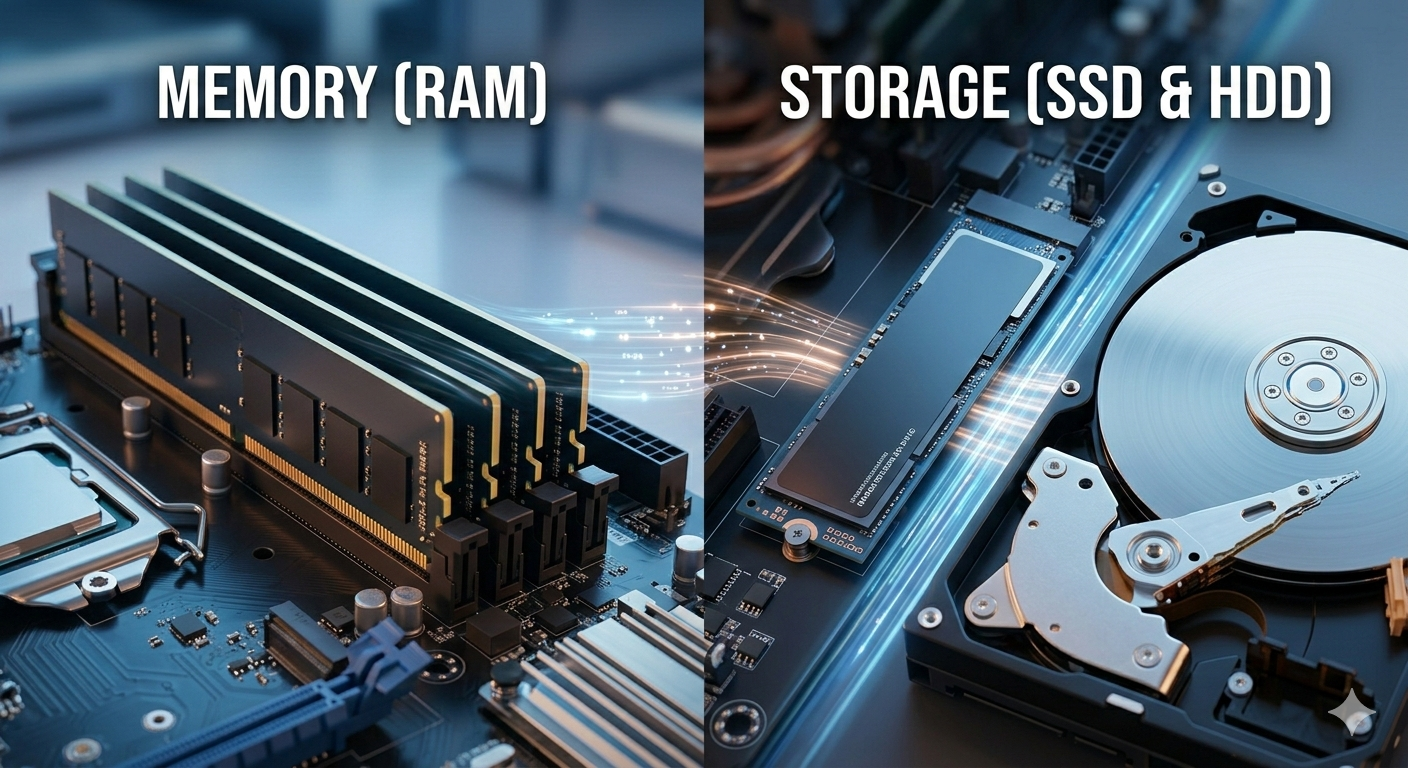
Memory
Memory is used to store data and instructions temporarily while the computer is working. It allows quick access to information, which helps the computer perform tasks efficiently. Memory is very important for the speed and performance of a computer system.
Storage Devices
Storage devices are used to store data permanently. These devices keep information safe even when the computer is turned off. Common storage devices include hard disks, pen drives, memory cards, and external drives. Storage devices help users save important files, documents, images, and videos.
Operating System
The operating system is the most important software in a computer. It acts as a bridge between the user and the hardware. The operating system manages files, memory, devices, and applications. It also allows users to interact with the computer easily through a graphical interface.
Uses of Computer
Computers are used in almost every field today. In education, they help students learn through online classes, digital books, and research. In offices, computers are used for documentation, communication, and data management. In hospitals, computers help in maintaining patient records and performing medical tests. Computers are also widely used in banking, transportation, entertainment, and scientific research.
Advantages of Computer
Computers offer many advantages. They can perform tasks quickly and accurately. They can store large amounts of data and retrieve it easily. Computers help save time and effort and increase productivity. They also make communication faster and easier through emails, video calls, and social media. Overall, computers make human life more comfortable and efficient.
Disadvantages of Computer
Despite many benefits, computers also have some disadvantages. Excessive use of computers can cause health problems such as eye strain, back pain, and stress. Dependence on computers may reduce physical activity and social interaction. There is also a risk of data theft, hacking, and cybercrime. Therefore, computers should be used wisely and responsibly.
Conclusion
In conclusion, computers have become an essential part of modern society. They have transformed the way we work, learn, and communicate. While computers offer numerous advantages, they also require careful and balanced use. When used properly, computers can greatly improve the quality of human life and help in the progress of society. As technology continues to advance, the role of computers in our lives will only become more important in the future.
FAQs
1. Why is a computer called an electronic machine?
A computer is called an electronic machine because it works using electricity and electronic circuits. It processes data with the help of electronic components instead of human effort. Without electricity, a computer cannot function, which clearly makes it an electronic device.
2. Can a computer think like a human?
No, a computer cannot think like a human. It does not have emotions, feelings, or intelligence of its own. A computer only follows the instructions given by humans. Even though it works very fast and accurately, it cannot make decisions on its own without a program.
3. Why are computers important in daily life?
Computers are important in daily life because they make work faster and easier. They help us study online, work from home, communicate with people, manage data, and entertain ourselves. Today, many daily tasks depend on computers, which saves time and effort.
4. What happens if there is no operating system in a computer?
Without an operating system, a computer cannot work properly. The operating system controls the hardware and allows users to interact with the computer. It acts as a bridge between the user and the machine. Without it, we cannot run applications or use the computer easily.
5. Is using a computer harmful to health?
Using a computer is not harmful if it is done in a balanced way. However, excessive use can cause problems like eye strain, headaches, and body pain. Sitting for long hours in front of a computer can also affect posture. Taking breaks and maintaining proper sitting habits can reduce these problems.